
Speakers
Find a full list of this year's GDC Festival of Gaming speakers here.
Don Daglow, Video Game Designer and Computer Programmer, Sausalito Games Inc.
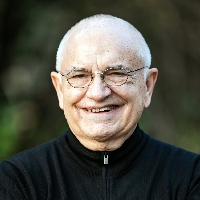
Don Daglow is a three-time Inc. 500™ CEO, a pioneering game designer and 2008 Technical Emmy® Award recipient whose career spans the history of Silicon Valley. Teams have shipped over $1 billion in game products under his leadership. In addition to working with publishers and game developers, Don serves as Sr. Director for Industry Relations at The Strong National Museum of Play in Rochester, NY (home of the largest collection of video games and related documents and artifacts in the world), as an Advisor at the Founders Space accelerator in San Francisco (rated in the Top Ten by Inc. Magazine), and as the volunteer President of The Academy of Interactive Arts & Sciences Foundation, the charitable wing of the Academy. Daglow has delivered keynotes and speeches at The Smithsonian Art Museum in Washington D.C., BAFTA in London, the Biennale in Frankfurt, Medientage in Munich and many international games conferences. He is the only executive in the history of the games industry who has held leadership and/or creative positions on every generation of video game consoles, from 1980 to the present day. In 2003, he received the CGE Award for "groundbreaking achievements that shaped the Video Game Industry." Along with John Carmack of id Software and Mike Morhaime of Blizzard Entertainment, Daglow is one of only three game developers whose work has been honored at both the Technology & Engineering Emmy® Awards and at the Academy of Interactive Arts & Sciences DICE Awards. As an engineer working on mainframe computers, Daglow also created key early milestones in the development of chatbots (ECALA, 1972) and the machine translation of natural language (Spanish Translator, 1977).